What is DDP Shipping in International Logistics?
DDP stands for Delivered Duty Paid, wherein the vendor takes complete responsibility for getting goods delivered to the specified destination of the buyer. It pays customs duties, taxes, freight, and all transportation-related charges. Understanding what is DDP shipping helps businesses efficiently manage the trade on the international level under normal international shipping terminology.
How does DDP shipping work?
In the DDP shipping process, the seller has to take care of export customs, freight forwarding, good imports clearance, and delivery at the buyer’s place. The buyer needs only to receive and unload the shipment; hence, this appears to be a highly attractive DDP shipping method within the presently complex shipping terms in international trade.
Advantages of DDP Shipping
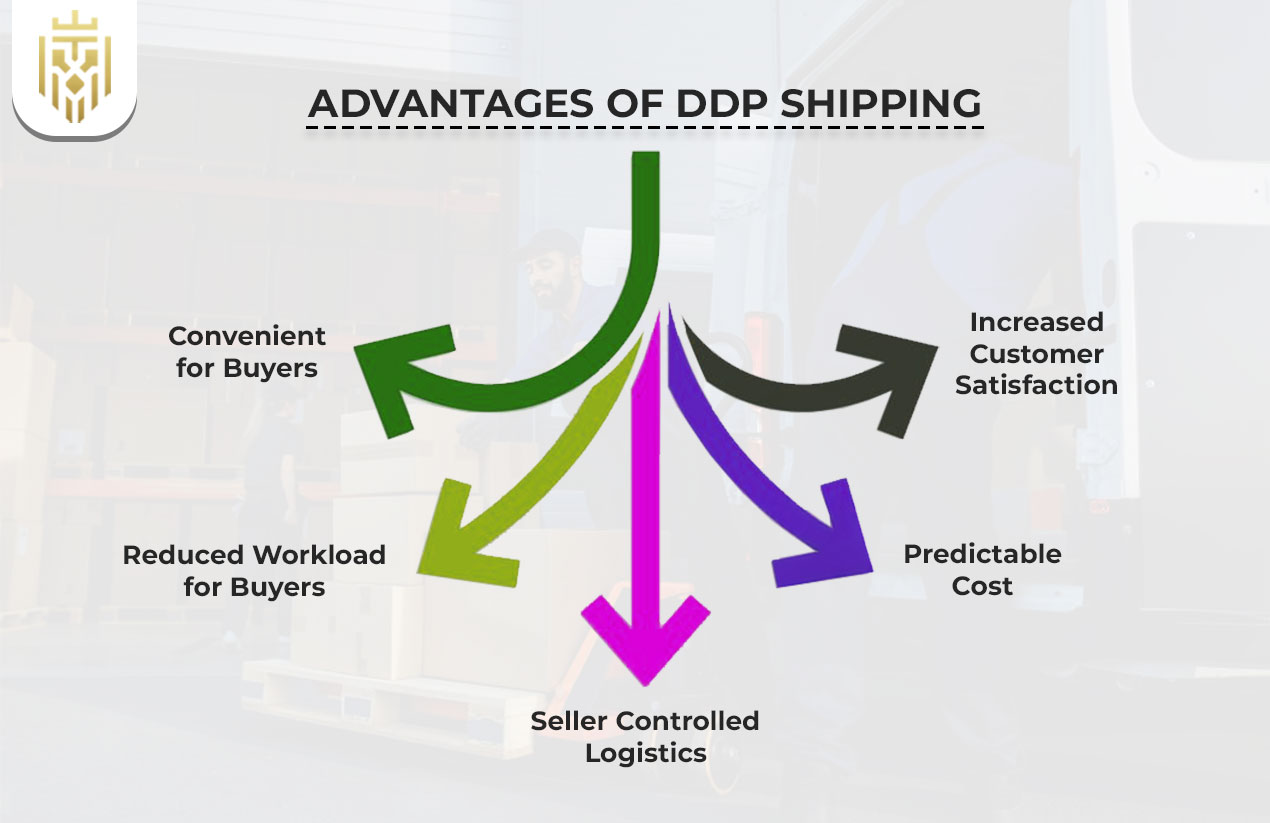
Buyers benefit from the DDP shipping method across global trade since they do not worry about the customs duties, taxes, and logistics. On the other hand, the sellers control the whole supply chain; hence a DDP shipping process flows smoothly. This creates trust and eases international commerce under widely accepted shipping terms.
Convenient for Buyers
One important benefit of DDP shipping is the convenience of the buyer. As the seller is responsible for customs clearance and delivery, buyers are spared of logistical complications. Further, such a smooth shipping process tends to build trust and, away from cumbersome considerations, enables sellers and buyers to conduct international transactions in an easy manner, making trading on a seamless and efficient scale.
Reduced Workload for Buyers
Buyers under DDP shipping arrangements do not really have to be involved in paying customs or duty. Since DDP means the seller takes all the responsibility, this makes the job less of an issue for the buyers and receipt occurs on time. This is even more beneficial for small companies going into foreign markets.
Seller Controlled Logistics
Moreover, DDP shipping provides the seller with the opportunity of organizing freight forwarders, carriers, and customs brokers on their own. This then ensures bargaining for the best rates and expedited shipments. This type of seller-run logistics shrinks the supply chain process for both sides and diminishes uncertainties.
Predictable Cost
With DDP shipping deadlines, sellers pay all duties, customs, and shipping expenses while ensuring a predictable final cost to the buyer. This transparency under international terms reduces conflicts and guarantees proper pricing for cross-border sales, thereby increasing the confidence of the buyer and enhancing long-term global business.
Increased Customer Satisfaction
Buyers tend to get satisfied with quick delivery and no hidden charges on the DDP shipping method. Such an approach builds customer loyalty, especially in the cross-border trade setup, as customers hold transparent pricing under global shipping terms.
Disadvantages of DDP Shipping
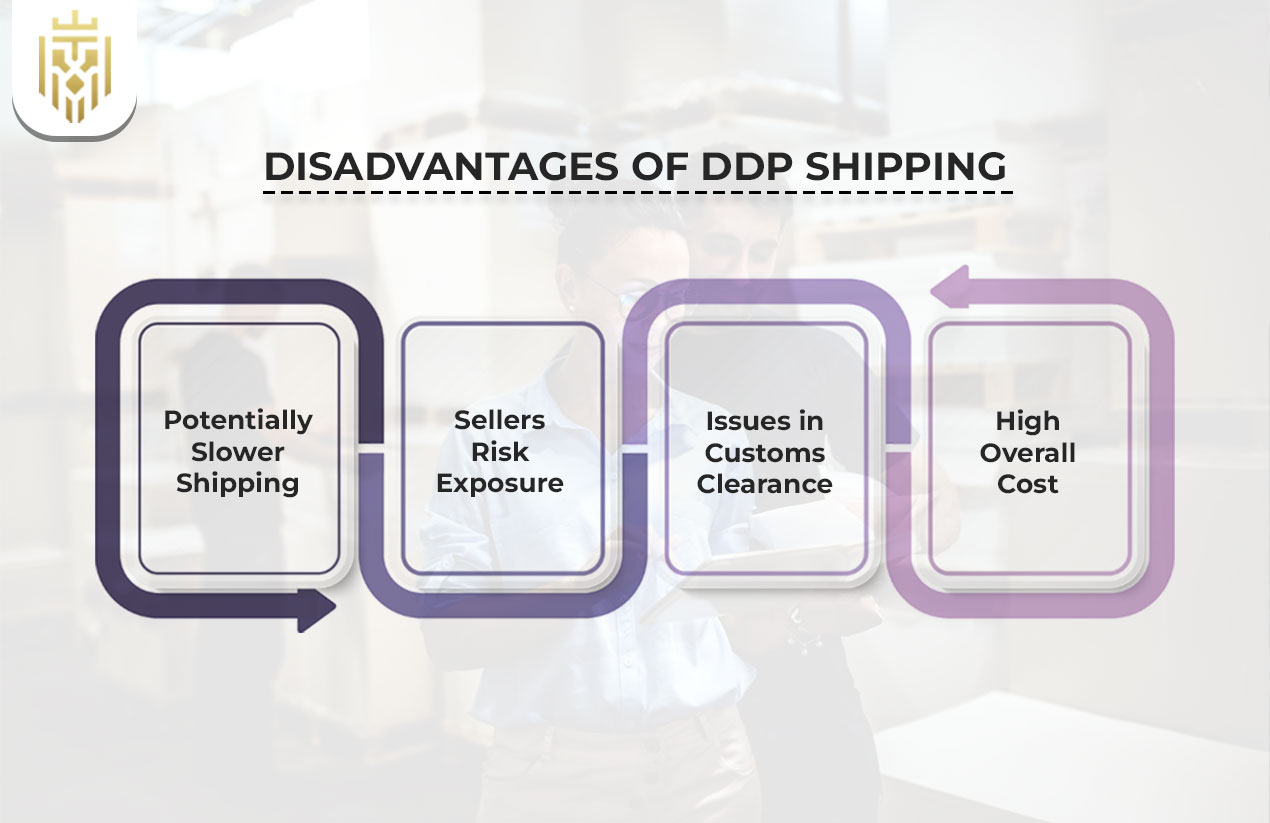
While beneficial, DDP shipping can be very costly for sellers, as it entails the payment of customs, duties, and transportation expenses. Compared with other international shipping terms, this approach increases risks and financial exposure, hence it is not suitable for smaller exporters with fewer resources and profit margins.
Potentially Slower Shipping
Occasionally, the handling of customs and duties by a seller can slow down the DDP shipping process. Since delays mostly occur at border clearances, it diminishes efficiency and negatively affects the buyer’s timeline that comes along with that convenience.
Sellers Risk Exposure
Under DDP shipping, the seller bears all risks, including the risk of damage, delay, or miscalculation of customs duties. These added responsibilities under DDP are unlike those in other international shipping terms and may expose the sellers to serious financial losses, especially in trade through regions that are unpredictable or impose high tariffs.
Issues in Customs Clearance
Customs clearance can be very tricky in DDP shipping terms, especially when sellers incorrectly interpret local laws. A slight mistake in paperwork or under-valuation of goods can get them delayed and increase the demurrage charges against the sellers. This particular challenge tends to make sellers responsible for impeccable compliance under international shipping terms.
High Overall Cost
In DDP terms, the shipping method sometimes tends to become very expensive, as the whole gamut of duties, taxes, and transporting is to be borne by the seller. This is a win for the buyers but sometimes holds sellers in high-cost chains, thus minimising profit margins and making the model unsuitable for smaller exporters.
Role of Buyers & Sellers in DDP shipping

At the same time, under DDP shipping terms, sellers take care of export, freight, customs clearance, and delivery, with the buyers only unloading and storing. This clear distinction between activities helps businesses to know their responsibilities under global shipping terms and ensures a smooth transaction in international trade scenarios.
Buyer’s Responsibility
With DDP terms, buyers experience fewer responsibilities than with other international shipping terms, such as unloading goods delivered and arranging storage facilities. This minimal role reduces complexities so they can focus on sales and operations rather than customs-related activities.
Unloading
DDP shipping is a scenario where the buyer must take care of unloading the goods when delivered to them. While the seller arranges for customs and transport, unloading is still put under the domain of the buyer. Thus, the unloading process is the only direct and tangible obligation under DDP delivery law.
Storage
After unloading, the buyers have to arrange to secure storage for the goods that have been delivered at their store. This is the main responsibility for the buyer in DDP shipping. Since the seller is responsible for delivery, the buyer becomes responsible for ensuring warehouse spaces and safekeeping of the inventory after shipment under the agreed terms of shipping.
Seller’s Responsibility
With DDP shipping, there is the greatest degree of responsibility on the seller. They must take care of packaging, documentation, handling charges, and customs clearance. This differs from other shipping terms where sellers shoulder the financial and legal obligations just up to the point of shipping, whereas, under DDP, a seller is financially and legally responsible for the goods all through the journey, together with making sure of successful delivery to the buyer’s designated place.
Packaging & Documentation
When it comes to DDP shipping terms, the seller needs to do packaging accurately and prepare the proper documentation so that customs clearance is carried out without delays. International shipping term compliance makes the fulfilment of this obligation critical for cross-border delivery success in the DDP model.
Handling Charges
In DDP shipping, the seller is responsible for paying all the handling costs, such as loading, freight, and customs tariffs. Compared to alternative shipping terms, this mode guarantees buyers cost clarity, with sellers incurring financial obligations until the last point of delivery.
Import & Export Clearance
The DDP shipping procedure mandates sellers to handle export and import clearance. They need to provide the right documents, pay duties, and comply. This dual responsibility contrasts with other international shipping terms, as it imposes much administrative and financial burden on sellers.
Incoterms: DDP vs DDU
It is important to be familiar with DDU and DDP shipping terms. Under DDU (Delivered Duty Unpaid), the buyers clear their costs in customs duties, whereas in DDP, the sellers are supposed to clear all costs. Understanding the difference enables businesses to pick the most appropriate arrangement on the international shipping terms.
When is DDP Method used ?
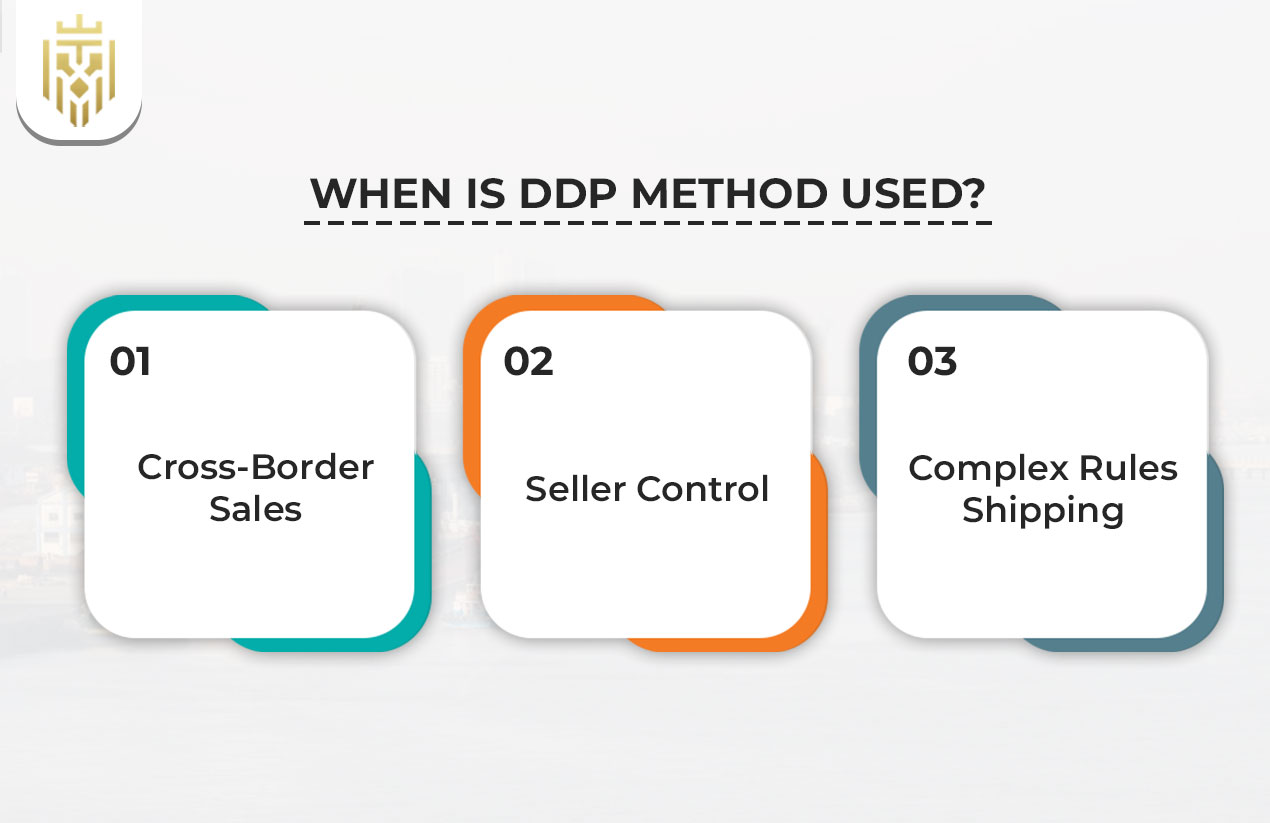
The DDP shipping mode is frequently utilised where the seller needs control over the logistics, where the buyer requires convenience, or where a complex customs regulation is imposed in the country of export. This model streamlines international trade, and thus it is practical in cross-border sales on a structured shipping basis.
Cross-Border Sales
The DDP shipping mode is the most common method when doing cross-border selling so as to attract consumers abroad. By eliminating customs, sellers provide products that are more attractive and generate trust and easier transactions within competitive international markets.
Seller Control
This method is commonly used in DDP shipping, where sellers would prefer to have control over logistics. Controlling carriers and customs allows them to have control, negotiate better prices and have smoother deliveries with fixed shipping terms.
Complex Rules Shipping
DDP shipping becomes important when your country of export has strict import regulations. Sellers manage the DDP shipping process, which prevents any chances of violating the regulations, avoids penalties, and makes the experience of buyers simple under difficult international shipping conditions.
FAQs
1) Does DDP affect shipping time?
Yes, DDP shipping will impact delivery time as sellers handle customs and duties. Clearance delays can be experienced, and this is a minor slackness in comparison to other international shipping terms.
2) Can DDP be used for small deliveries?
Indeed, the DDP shipping option works well with both large-scale and minor deliveries. It streamlines custom processes, and even minor shipments are simpler to transport under organised trade conditions to any country in the world.
3) Who deals with insurance claims under DDP shipping if parcel is damaged?
Under DDP shipping terms, the seller deals with insurance claims. Buyers are not liable when there is damage during transit because all the risks and responsibilities are borne by the sellers until delivery is complete.
4) Can the buyer choose shipping carrier in DDP?
Typically, in DDP shipping, sellers choose carriers to have control over logistics. Carriers are not generally selected in the case of buyers since the arrangement is a part of the seller-managed responsibilities which are outlined by international shipping terms.