What is Intermodal Transportation?
Intermodal transportation is a type of transportation that involves the passage of freight by more than one mode of transportation, such as rail, truck, ship, or air, without moving the freight directly between modes. It improves efficiency, reduces transit risks, and facilitates an efficient flow of freight on both domestic and international networks.
Understanding the Working of Intermodal Transportation
To know how does intermodal transportation work, one could observe that the cargo is loaded into standardised containers in the first step. These containers are then easily transferred between trucks, trains and ships without repacking. This intermodal transport system is swift, secure, and flexible, which makes it credible in international logistics operations.
Modes of Transportation within Intermodal Systems
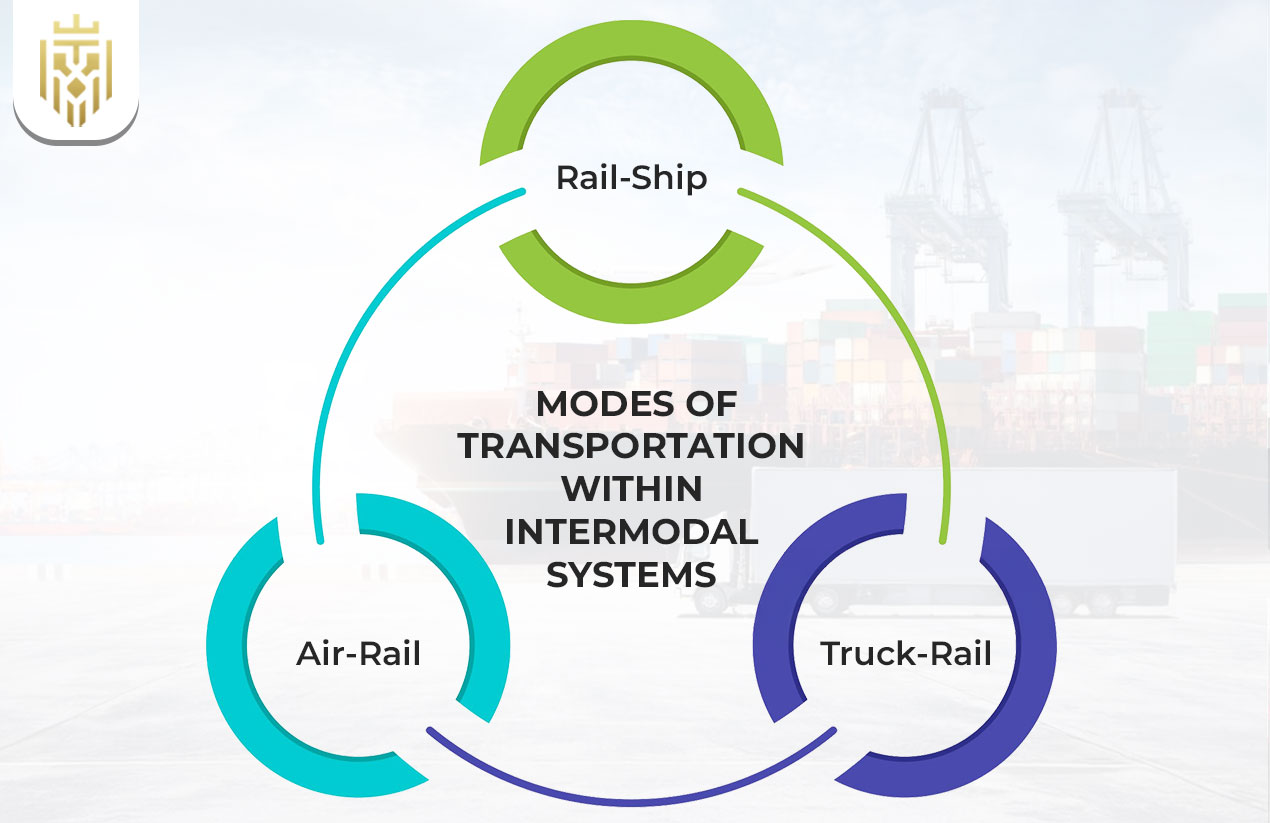
The intermodal transportation process involves a combination of trucks, rail, ships and occasionally air to transport goods efficiently. It has the advantage of each mode specifically doing its job, making sure that flexibility, cost reduction, and efficiency are met. This multi-modal cooperation enhances connectivity, particularly in long-distance domestic movements and global trade.
Rail-Ship
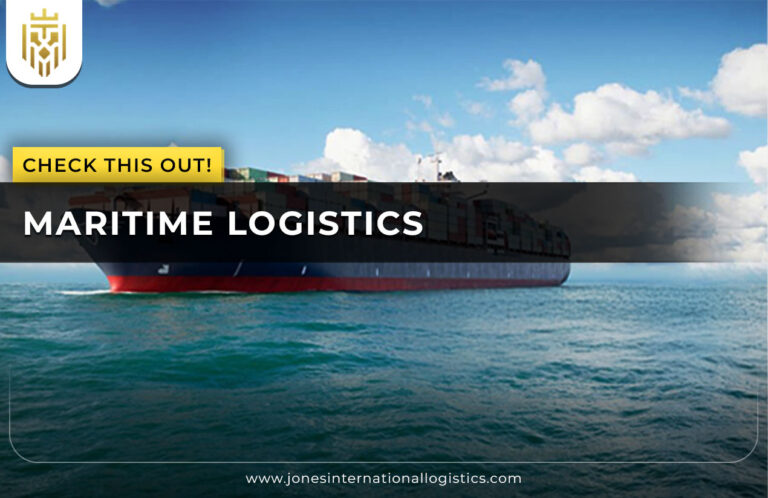
Rail-ship combination is a crucial component of intermodal transportation in international trade, which provides long-distance movement at affordable prices. Cargo containers travel by rail on land and are loaded onto ships that transport them abroad, facilitating efficient supply chain management and reducing the number of cargo handling.
Truck-Rail
Intermodal transportation maximises the domestic cargo reach through truck-rail systems. Trucks offer door-to-door services, whereas rail offers long-distance movement in large quantities. This model is a balance of speed and volume, so it is a convenient option when businesses are interested in the cost-efficiency of intermodal transportation.
Air-Rail
Intermodal transportation of time-sensitive cargo is enabled by air-rail combinations. Air provides urgency and rapid delivery, whereas rail provides cost-effective domestic transportation. This integrated solution enhances logistics with the combination of both speed and affordability, which are essential in industries such as pharmaceuticals and high-value products.
Advantages of Intermodal Transportation
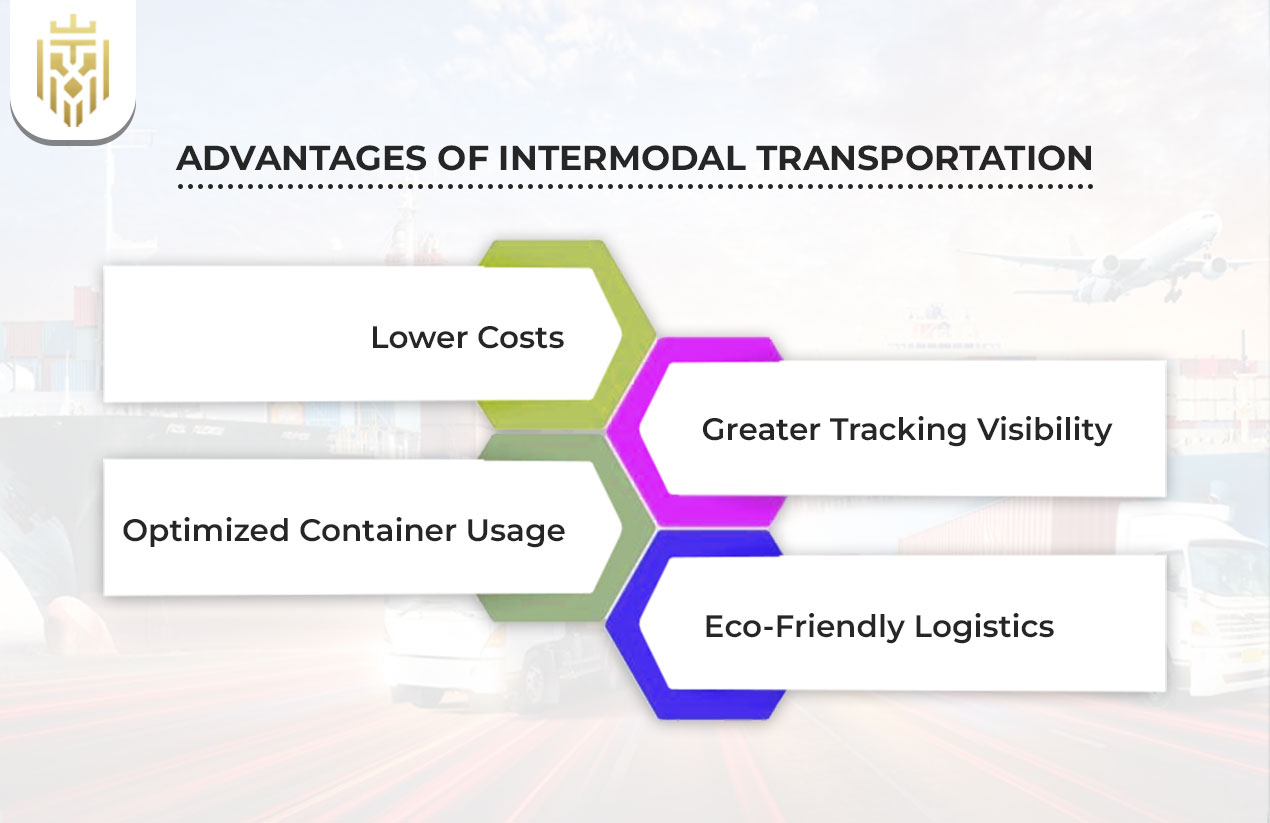
Intermodal transportation has its advantages, such as costs, fuel efficiency, and enhanced container utilisation. Companies become resilient by decreasing their reliance on one mode. These intermodal transportation benefits have led to its popularity as a solution to global supply chains that consider cost, speed, and sustainability.
Lower Costs
One of the greatest advantages of intermodal transportation is reduced costs. By integrating cost-effective transportation methods such as rail and truck, businesses can also evade fuel surcharges and save on global costs. These savings, together with lower carbon emissions, demonstrate both the economic and environmental benefits of intermodal transportation.
Optimized Container Usage
Efficient utilisation of containers enhances capacity planning and minimises wastage within the intermodal transportation process. Unified containers support fast movements between modes, avoiding wastage and making the most of resources. This operational efficiency directly improves throughput and generates quantifiable economic and sustainability benefits for companies.
Greater Tracking Visibility
Digital tracking systems provide real-time cargo information in intermodal transportation. This visibility discourages delays, limits theft risks and enhances accuracy in planning. Better coordination is also achieved through enhanced monitoring, which results in a smoother transition between modes and is one of the obvious benefits of intermodal transportation.
Eco-Friendly Logistics
Intermodal transportation vs road transport highlights clear environmental benefits. Trucks produce more emissions, but transferring cargo to rail or ship minimises carbon footprint. This sustainable logistic device is a sustainable and efficient solution to achieving environmentally friendly supply chain management practices and international standards of compliance by companies.
Intermodal vs Multi-Modal Transportation
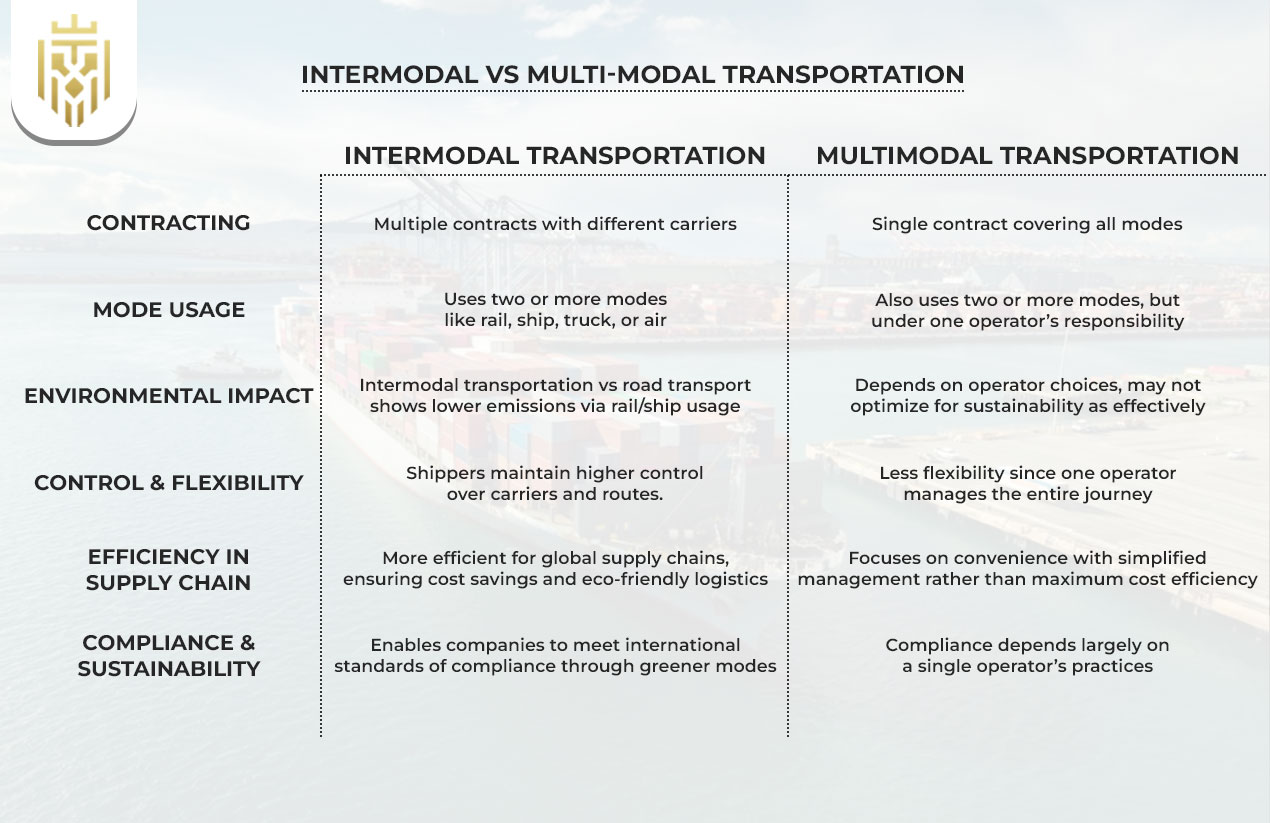
Intermodal and multimodal transport are differentiated in terms of contracts. In intermodal, there are multiple contracts with carriers, whereas in multimodal there is one contract. Both improve logistic performance, but intermodal provides greater flexibility and control, especially in cost- and supply chain optimisation strategies.
Challenges in Intermodal Transport
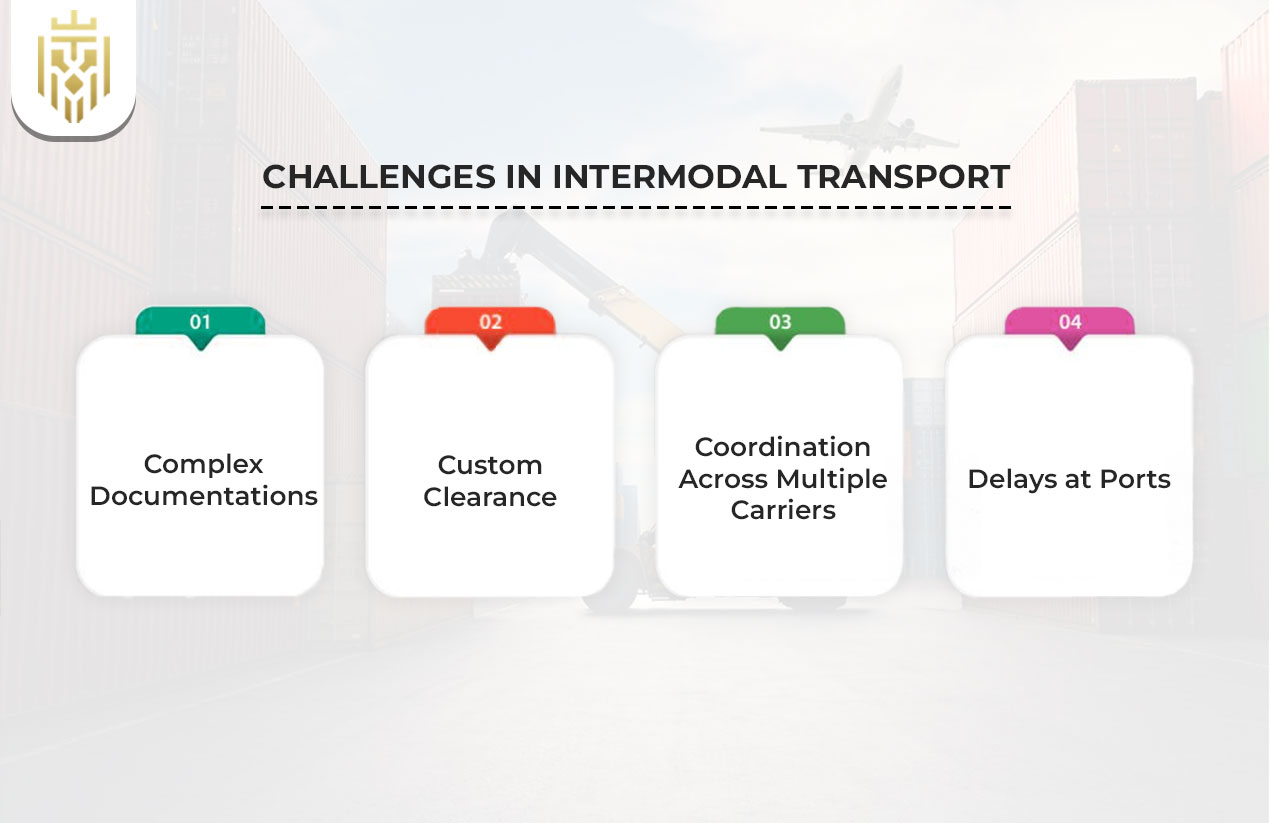
Even though intermodal transportation is growing, it encounters challenges such as complexity in coordination, port delays, and documentation. These issues with intermodal transportation can raise transit costs and durations. To overcome them, it is important to have powerful digital platforms, credible carrier alliances, and effective planning to ensure smooth cross-border logistics.
Complex Documentations
A significant issue in intermodal transportation is the need to deal with multi jurisdictional complex documentation. Various carriers and modes of transportation have different compliance formats, which, when not appropriately handled, might slow down shipments and introduce expenses. It is mandatory to have robust digital systems and expertise to mitigate such issues.
Custom Clearance
Intermodal transportation is made difficult by customs clearance in international trade. Every movement is subject to different regulations based on country-specific needs. Clearing delays are usually caused by mistakes or incomplete submissions. To overcome these compliance-driven challenges, effective logistics partners and efficient planning are necessary.
Coordination Across Multiple Carriers
Intermodal transportation incorporates operational hazards in coordination between two or more carriers. Rail, ship, and truck provider schedules are not synchronised, resulting in bottlenecks. This challenge in intermodal transportation requires strategic communication, technology-based visibility, and long-term partnerships to preserve efficiency.
Delays at Ports
Port delays are major factors in intermodal versus road transport efficiency. Containerised intermodal shipments can experience congestion and slower inspections, as opposed to direct trucking. Such problems increase the duration of transit, which prompts the significance of sound planning in reducing dangers in the intermodal transportation process.
Intermodal Transportation in Supply Chain
The supply chain management intermodal transportation assures efficiency, scale, and sustainability. It minimises transit expenses, carrier risk, and global network integration. This approach streamlines logistics and promotes more sustainable practices, which is critical in the contemporary supply chain approaches and cost-saving objectives.
Role in International Trade
International trade and the part played by intermodal transportation cannot be overstated. Goods are transported across borders by integrating rail, ship, truck, and air. The process helps in cost reduction and safety of containers, as well as increasing the global supply chains with improved accessibility and stability in operations.
Future Trends
The digitalisation of intermodal transportation, AI predictive analytics, and greener logistics are the future of supply chain intermodal transportation. Such breakthroughs will enhance efficiency, reduce emissions, and continue to highlight the cost efficiency of intermodal transportation, and they will become the cornerstone of the global logistics policies of tomorrow.
FAQ:
1. Is Intermodal transportation cost-effective for SMEs?
Yes, intermodal transportation saves fuel, makes better use of containers, and decreases long-haul costs, and therefore, intermodal transportation is affordable to the SMEs focused on the foundations of logistics without quality and efficiency of delivery.
2. How does technology play a role in intermodal logistics?
Technology facilitates monitoring, real-time visibility, automated documentation, and predictive analytics, simplifying the intermodal transportation process and increasing coordination, minimising delays, and improving efficiency between multiple modes and international networks.
3. Which businesses can use intermodal transport?
Intermodal transportation is advantageous to retailers, manufacturers, exporters, and e-commerce firms in their operations in supply chains, particularly where shipments over long distances, high volumes, and cross-border operations are necessary with better cost-efficiency and sustainability objectives.
4. What factors should companies consider before choosing intermodal transportation?
Businesses need to measure delivery times, the type of cargo, the complexity of the customs, the availability of infrastructure, and the cost-effectiveness of the intermodal transport, as well as cognitive risks such as port delays or document-related difficulties.